

Contenido:
Toggle 16min read
 Evidence-based
Can you get veneers with gum disease? Not while the condition is active — but absolutely yes, once your gums have been treated and stabilized. At Clínica Viena in Medellín, Colombia, a full periodontal evaluation is required before any cosmetic treatment begins, because healthy gum tissue is the foundation that determines whether veneers will last for years or fail prematurely.
You’ve been dreaming about a new smile — whiter, more symmetrical, the kind that makes you feel confident walking into a room. You’ve done your research, you know veneers are the answer, and you’re seriously considering dental tourism in Colombia to make it happen without the sky-high U.S. price tag.
Then, at a recent dental visit, someone mentions the words: gum disease.
Before you panic or abandon your smile makeover plans, take a breath. The answer to whether you can get veneers with gum disease isn’t a hard no — it’s a not yet. And understanding that distinction could be the difference between a smile that lasts a lifetime and one that fails within a few years.
Why Gum Health Is the Foundation of Every Smile Makeover
Think of your gums and jawbone as the foundation of a house. You wouldn’t install hardwood floors, fresh paint, or beautiful countertops in a home with a crumbling foundation, the upgrades would be wasted, and eventually, everything would fall apart.
Veneers work the same way. Whether you’re getting porcelain or composite veneers, they are being bonded to teeth that rely on healthy gum tissue and bone for support. If that foundation is compromised by active periodontal disease, any cosmetic work placed on top is unstable from day one.
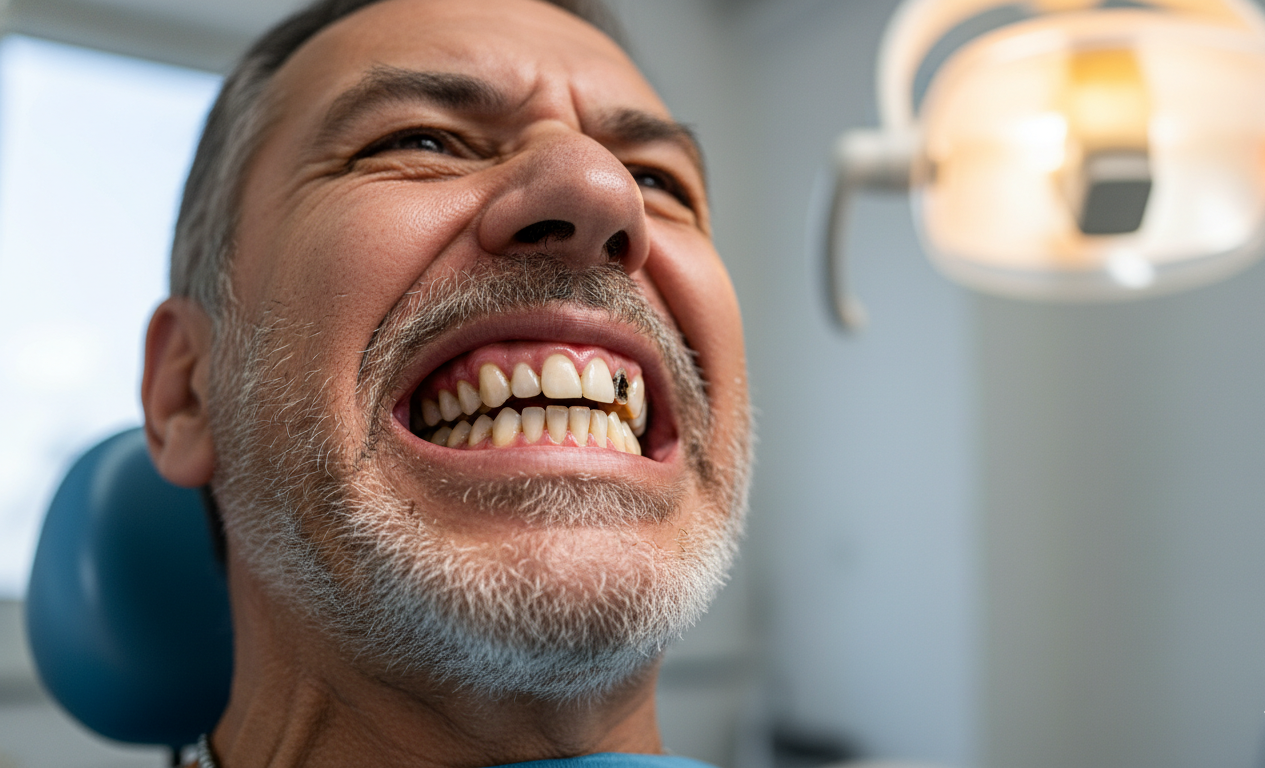
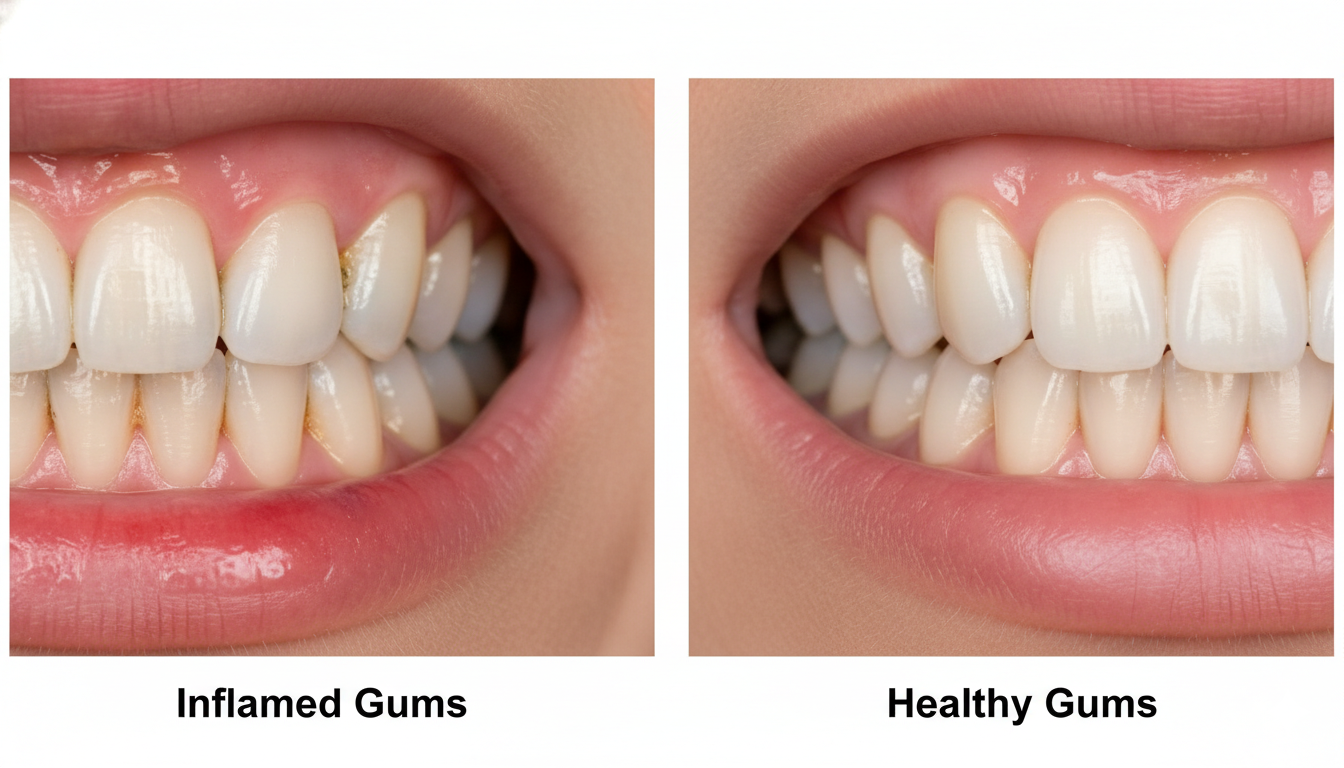
Active gum disease causes chronic inflammation and infection that weakens the supporting tissue around your teeth. When veneers whether composite or porcelain, are placed on teeth with unhealthy gums, the consequences can include:
- Persistent inflammation and bleeding at the veneer margins
- Chronic bad breath (halitosis) caused by bacterial accumulation
- Irreversible bone loss that changes the shape of your gums over time
- Veneer failure due to shifting or loosening teeth
This is why at Clínica Viena, a full periodontal evaluation is a non-negotiable first step before we even begin discussing cosmetic treatment. It’s not a bureaucratic hurdle, it’s how we protect your investment and, more importantly, your health.
Is Gum Disease Always Obvious? Not Always.
Here’s the uncomfortable truth: periodontal disease can be completely silent in its early stages. No pain, no obvious bleeding, no swelling you can see in the mirror. Many patients are genuinely surprised to learn they have an active gum issue because they feel perfectly fine.
In fact, the American Academy of Periodontology estimates that nearly half of American adults over 30 have some form of periodontal disease — and a significant portion are unaware of it. The disease progresses gradually, often without dramatic symptoms, until bone loss and tissue damage become significant.
This is exactly why a clinical exam, X-rays, and photographic records are required before any cosmetic dental procedure. A smile transformation built on undiagnosed gum disease is not a transformation — it’s a risk.
What Are the Warning Signs You Might Have?
While gum disease can be silent, there are signals worth paying attention to:
- Gums that bleed when you brush or floss (even slightly)
- Gums that look red, swollen, or pulled back from the teeth
- Teeth that feel sensitive or seem to be shifting position
- Persistent bad breath that doesn’t improve with brushing
- Teeth that feel loose or unstable when you bite
If any of these sound familiar, they don’t disqualify you from veneers — they just mean there’s an important first step to take care of before your smile makeover begins.
What Happens at Clínica Viena Before Veneers Are Placed?
At Clínica Viena, cosmetic and restorative treatments are designed to work together — not in isolation. Before any veneer is placed, every patient goes through a complete initial evaluation that includes a clinical exam, full-mouth X-rays, and photographic documentation. This allows us to assess not just what you want aesthetically, but what your oral health needs structurally.
If periodontal disease is detected, the next step is treatment — led by Dr. Sebastián Otálvaro, our in-house periodontist with over 12 years of specialized experience, trained at the Universidad Nacional de Colombia with an international residency at the Universidad de Chile.
What Does Periodontal Treatment Actually Look Like?
Depending on the severity of your condition, treatment may involve:
- Scaling and root planing — a deep cleaning procedure that removes tartar and bacteria from below the gumline and smooths root surfaces to discourage future bacterial adhesion.
- Gum grafts (soft tissue grafts) — for patients who have experienced gum recession, tissue from another area of the mouth is used to restore coverage and protect the tooth root.
- Guided bone regeneration — when bone loss has occurred, this technique encourages the body to regrow supportive bone tissue.
- Mucogingival surgery in the anterior zone — precise surgical correction of gum tissue in the front of the mouth, which directly affects the appearance and stability of future veneers.
After treatment, your gums need time to heal completely. There’s no rushing this process — and there shouldn’t be. Stable, inflammation-free gum tissue is the green light that tells us your smile is ready for its transformation.
What About Cosmetic Gum Procedures Like a Gummy Smile Correction?
Some patients need both periodontal treatment and aesthetic gum reshaping before veneers can be placed. This might apply if you have a gummy smile, uneven gum line, or if reducing gum tissue is necessary to achieve the right proportions for your veneers.
In these cases, a gingivectomy (aesthetic gum reduction) may be performed. But here’s something important that many clinics skip over: after any gum procedure, there’s a healing timeline that must be respected.
- Minimum wait time before veneers: 1 month
- Ideal wait time for optimal results: 3 months
Why the difference? Because while the surface gum tissue heals relatively quickly, the underlying bone takes longer to fully stabilize. Placing veneers before that bone has settled can result in margins that don’t fit properly — affecting both aesthetics and long-term health.
This isn’t us being overly cautious. It’s us being precise.
What Happens at the Veneer Margin and Why It Matters More Than You Think
The margin, the point where your veneer meets your gum tissue is one of the most clinically important areas in cosmetic dentistry. It’s also one of the most overlooked when patients are comparing options online.
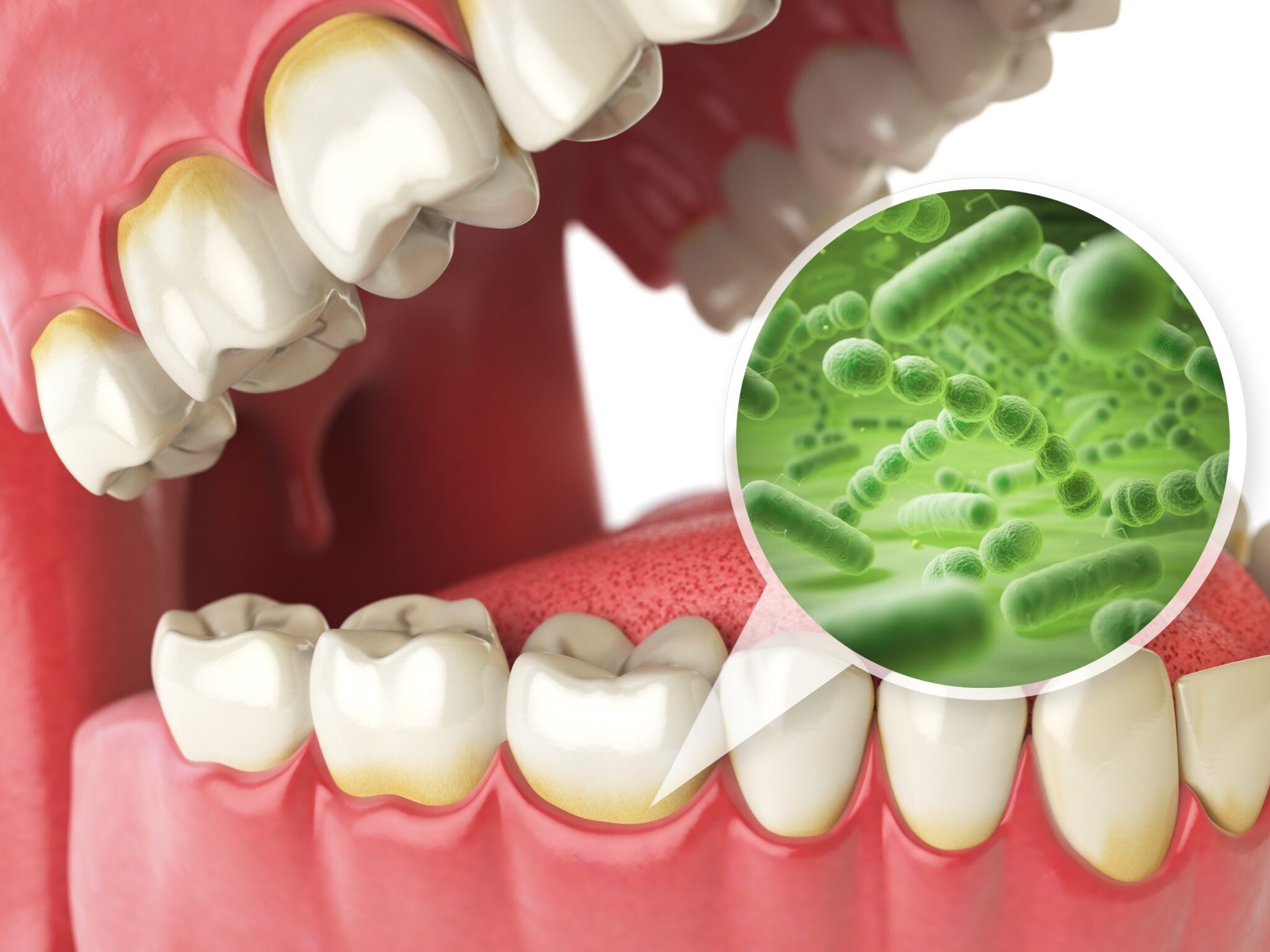
A poorly executed veneer margin can create a microscopic ledge or gap where plaque accumulates. Over time, that plaque buildup leads to:
- Chronic gum inflammation at the veneer edge
- Persistent bad breath
- Increased cavity risk on the underlying tooth
- In severe cases, irreversible bone loss
A well-executed margin, by contrast, flows seamlessly with the gum tissue. There are no steps, no rough edges, no trap for bacteria. The veneer looks natural, and the gum tissue stays healthy.
This level of precision requires both an experienced cosmetic dentist and a patient who arrives with healthy gums. The two are inseparable.
| ✓ Well-executed margin | ⚠ Poorly-executed margin | |
|---|---|---|
| Margin position | Flush with gum crest | Below gumline |
| Plaque risk | None, no ledge | High, bacteria trapped |
| Gum tissue | Firm and healthy | Chronically inflamed |
| Bone level | Stable | Progressive resorption |
| Halitosis | Low risk | Persistent bad breath |
| Veneer longevity | Predictable long-term | Early failure likely |
| Intervention needed? | No | Yes |
So…Can You Get Veneers with Gum Disease?
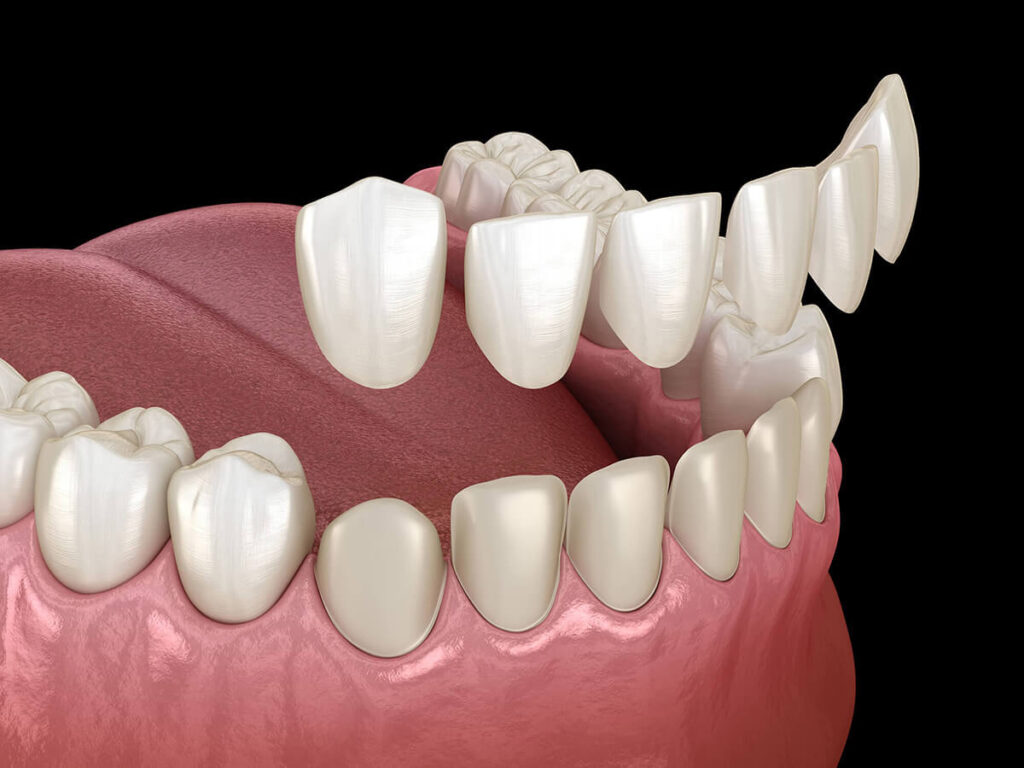
If you have active gum disease: No. Veneers placed on unhealthy gums will not last and may cause permanent damage.
If you have treated and stabilized gum disease: Yes. Once your periodontal health is confirmed and stable, you are an excellent candidate for veneers.
If you have mild, early-stage gingivitis: Likely yes, after a professional cleaning and confirmation that inflammation has resolved.
The good news for patients traveling to Clínica Viena: we handle this entire process in-house. You don’t need to visit a separate specialist, coordinate between multiple clinics, or arrive having already completed periodontal care. Our team — periodontist and cosmetic dentists — works together under one roof to take you from evaluation to a completed smile.
Gingivitis vs. Periodontitis: What’s the Difference and Why It Changes Everything
Not all gum disease is the same — and the distinction matters enormously when it comes to whether, and how quickly, you can move forward with veneers.
Gingivitis: reversible, and often easier to resolve than you’d expect
Gingivitis is the earliest and mildest stage of gum disease. It’s characterized by inflammation of the gum tissue — redness, puffiness, and bleeding when you brush or floss. Crucially, at this stage, the bone and connective tissue that hold your teeth in place are not yet affected.
The good news: gingivitis is fully reversible. A professional cleaning (prophylaxis) combined with improved daily oral hygiene is often all it takes. For many patients, gum tissue can stabilize within a few weeks, opening the door to veneer placement relatively quickly.
Periodontitis: irreversible bone loss that requires real intervention
When gingivitis goes untreated — often because it produces no pain — it can progress to periodontitis. At this stage, the infection has moved below the gumline and begun destroying the bone and ligament that anchor your teeth. Unlike gingivitis, this bone loss cannot be undone. It can be stopped, managed, and in some cases partially regenerated — but it cannot be erased.
This is the stage that directly blocks veneer candidacy. Teeth with compromised bone support can develop mobility — and a mobile tooth is a direct contraindication for any fixed cosmetic restoration, including veneers.
Why this matters for your smile timeline
The clinical distinction is this: if you have gingivitis, your timeline to veneers may be measured in weeks. If you have periodontitis, it may be measured in months, depending on severity, the treatment required, and your healing response. Neither disqualifies you. But knowing which you’re dealing with early means you can plan realistically.
This is exactly why the initial evaluation at Clínica Viena includes probing depths, bone level assessment on X-rays, and photographic documentation not just a visual exam. We need the full picture before we can give you an honest timeline.
How to Keep Your Gums Healthy After Veneers Are Placed
Getting your veneers placed on healthy gums is the beginning — not the end — of your periodontal responsibility. The long-term success of your smile depends just as much on what happens after placement as on the clinical precision of the procedure itself.
Here’s what maintenance looks like once your veneers are in place:
Daily home care: the non-negotiable baseline
- Brush twice daily with a soft-bristle toothbrush. Medium or hard bristles can damage veneer margins and irritate gum tissue over time.
- Floss every single day — including around and beneath the veneer margins. Interdental brushes or a water flosser can make this easier, especially with multiple veneers.
- Use a non-abrasive toothpaste. Whitening toothpastes with harsh abrasives can scratch composite veneers and wear down the polish on porcelain over time.
- Avoid mouthwashes with high alcohol content, which can gradually dry and irritate gum tissue.
Professional maintenance: how often, and why it matters
Patients with a history of periodontal disease — even successfully treated — have a higher baseline risk of recurrence. For this reason, standard twice-yearly cleanings may not be sufficient. Your periodontist will recommend a maintenance schedule based on your specific history, which may include:
- Periodontal maintenance visits every 3–4 months (rather than every 6) for the first 1–2 years post-treatment
- Annual bone level X-rays to monitor for any changes around the veneer margins
- Probing measurements at each visit to catch early inflammation before it progresses
Warning signs to watch for and act on immediately
Even with excellent home care and regular professional visits, certain signs should prompt an immediate call to your dentist:
- Bleeding at the gumline around any veneer
- Visible swelling, redness, or recession near the veneer margin
- Any veneer that feels different when you bite, or that seems slightly loose
- Persistent sensitivity along the gumline
These are not cosmetic inconveniences — they are clinical signals that something needs attention. Catching them early makes the difference between a simple adjustment and a complex repair.
At Clínica Viena, our relationship with international patients doesn’t end when you board your flight home. We maintain open communication with patients for post-treatment questions, and we’re happy to coordinate with your dentist or periodontist in the United States for ongoing maintenance if needed
Bibliography
- Papapanou, P.N., Sanz, M., Buduneli, N., et al. (2018). Periodontitis: Consensus report of workgroup 2 of the 2017 World Workshop on the Classification of Periodontal and Peri-Implant Diseases and Conditions. Journal of Periodontology, 89(Suppl 1), S173–S182. pubmed.ncbi.nlm.nih.gov/29926951/
- Tonetti, M.S., Greenwell, H., & Kornman, K.S. (2018). Staging and grading of periodontitis: Framework and proposal of a new classification and case definition. Journal of Periodontology, 89(Suppl 1), S159–S172. pubmed.ncbi.nlm.nih.gov/29926957/
- Marini, I., Checchi, V., Vecchiatini, R., & Pasi, M. (2018). Subgingival restoration margins and periodontal health: a systematic review. Clinical Oral Investigations, 22(7), 2287–2300. doi.org/10.1007/s00784-018-2616-6
- Ercoli, C., & Caton, J.G. (2018). Dental prostheses and tooth-related factors. Journal of Periodontology, 89(Suppl 1), S223–S236. pubmed.ncbi.nlm.nih.gov/29926967/
- Lang, N.P., & Bartold, P.M. (2018). Periodontal health. Journal of Periodontology, 89(Suppl 1), S9–S16. pubmed.ncbi.nlm.nih.gov/29926936/
- Loe, H., Theilade, E., & Jensen, S.B. (1965). Experimental gingivitis in man. Journal of Periodontology, 36(3), 177–187. doi.org/10.1902/jop.1965.36.3.177
- Centers for Disease Control and Prevention. (2024). Periodontal Disease. CDC Oral Health Data & Research. cdc.gov/oral-health/php/data-research/periodontal-disease.html
Frequently Asked Questions (FAQ)
Can gum disease go away on its own without treatment?
Gingivitis, the mildest form of gum disease — can often be reversed with thorough professional cleaning and improved home care. However, periodontitis (the more advanced stage involving bone loss) does not resolve on its own. It requires professional intervention. This is why early evaluation matters
How long does periodontal treatment take before I can get veneers?
It depends on the severity of the condition. Mild gingivitis may be addressed in a single cleaning appointment, with gum stabilization confirmed within a few weeks. More advanced periodontitis may require multiple sessions of scaling and root planing, surgical procedures, and a healing period of several months. Your periodontist will give you a realistic timeline during your initial evaluation
Will my veneers look different if I've had gum disease?
Not necessarily. If your gum tissue has healed properly and is stable, veneers can be placed with beautiful, natural-looking results. In some cases, gum reshaping as part of the treatment plan actually improves the aesthetic outcome by creating a more symmetrical gum line before the veneers are placed
Can I have veneers removed later if my gum disease comes back?
Veneers involve minimal but permanent alteration of tooth enamel, which means they cannot simply be removed. This is one more reason why ensuring excellent periodontal health before placement is essential — not optional.
Is it worth traveling to Colombia for periodontal treatment plus veneers?
Many patients choose to complete their full treatment plan — periodontal care and veneers — during their time in Medellín. The cost difference compared to the United States remains significant even when factoring in multiple appointments. Our international patient coordinator helps patients plan their trips with realistic timelines based on their specific treatment needs.
What if I had gum disease years ago and was treated — can I still get veneers?
Yes. A history of periodontal disease does not disqualify you from cosmetic treatment — as long as your gums are currently healthy and stable. We will evaluate your current periodontal status and, if everything looks good, proceed with your smile design. Maintenance appointments may be part of your long-term care plan.
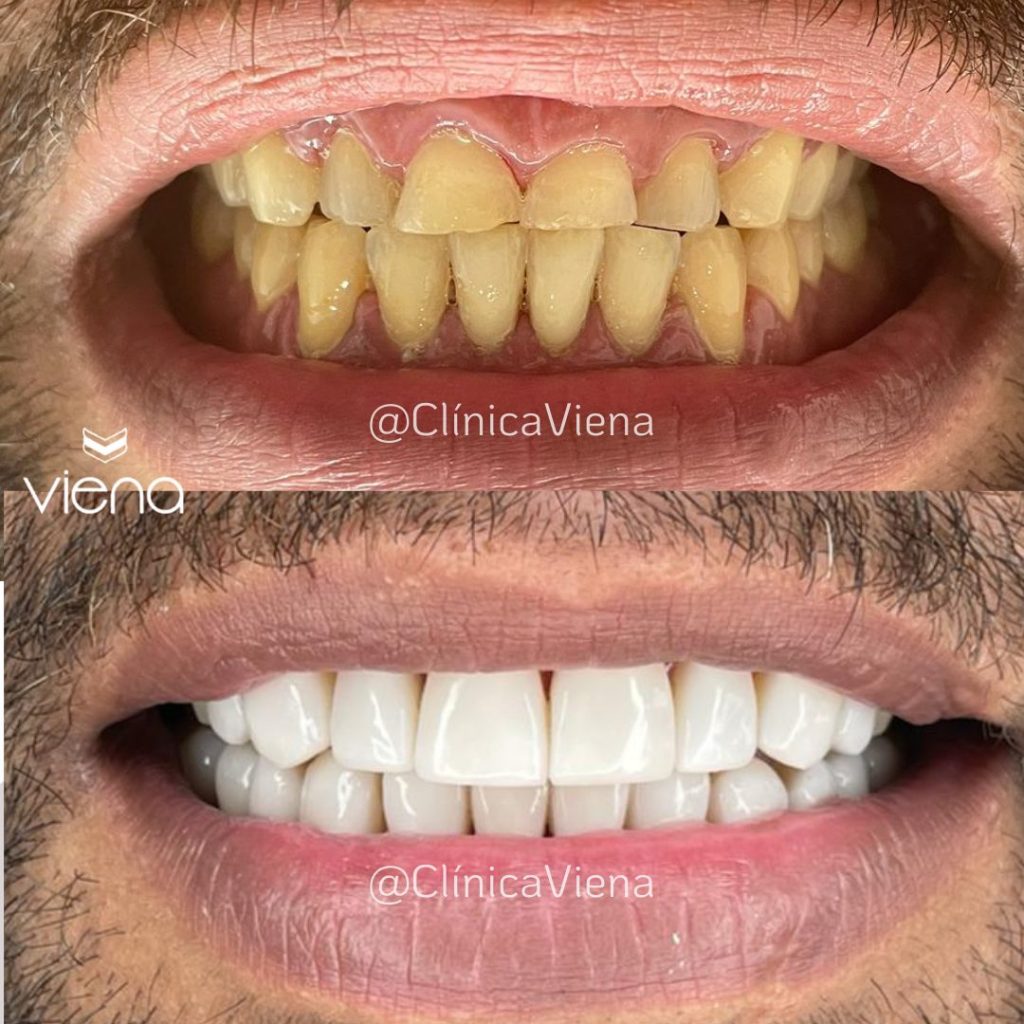
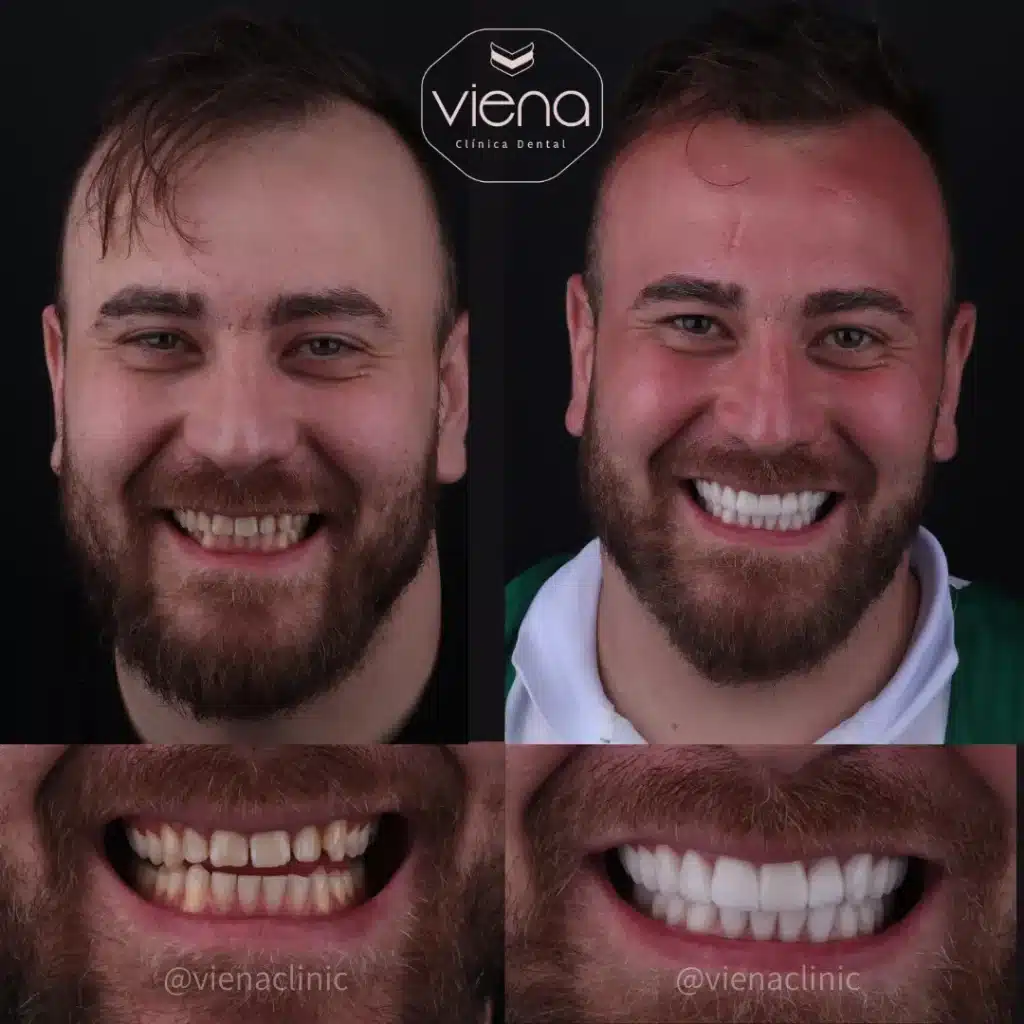
- Before: Chipped and stained teeth
- After: Smooth, white, and aligned smile

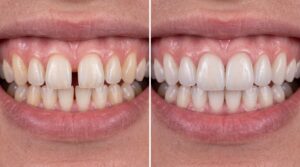
- Before: Gaps and uneven teeth
- After: Perfectly spaced and uniform teeth
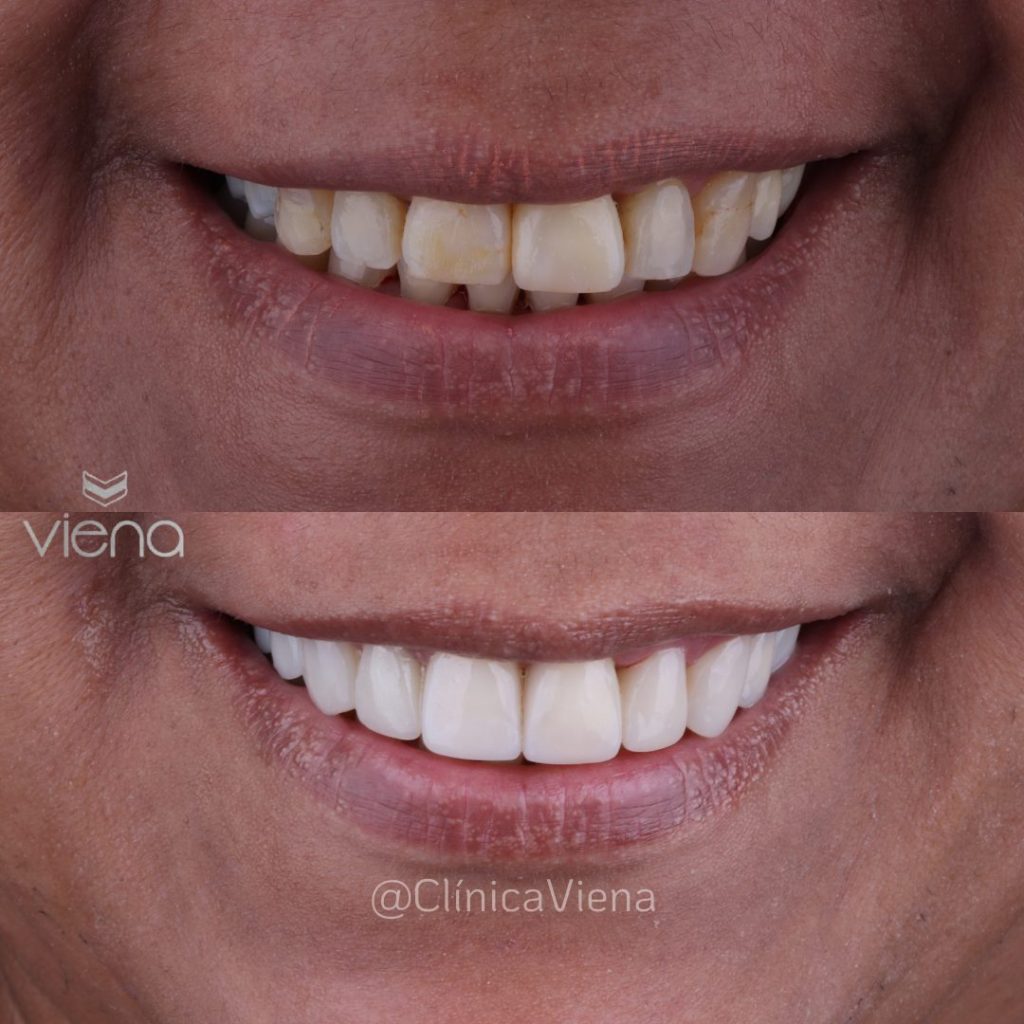
- Before: Worn and discolored teeth
- After: Natural-looking, bright smile

Dra. Sara Pelaez Monsalve
You might also be interested in:
Veneers After Braces: How Long to Wait and Who Is a Good Candidate
Thinking about veneers after braces? Most dentists recommend waiting 6...
Leer más
Can Veneers Fix Gap Teeth? A Cosmetic Dentist Explains
Gap teeth can be closed with veneers in as little...
Leer más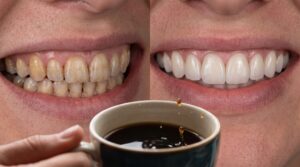
Do Veneers Stain? Porcelain vs. Composite Explained by a Cosmetic Dentist
Do veneers stain? Porcelain veneers rarely do, but composite veneers...
Leer más
Gummy Smile Treatment: 3 Real Options, One Right Answer for Your Case
Wondering if your gummy smile can be fixed? Dra. Sara...
Leer más